Home / Large Islands as a Gathering Spot
Large Islands as a Gathering Spot
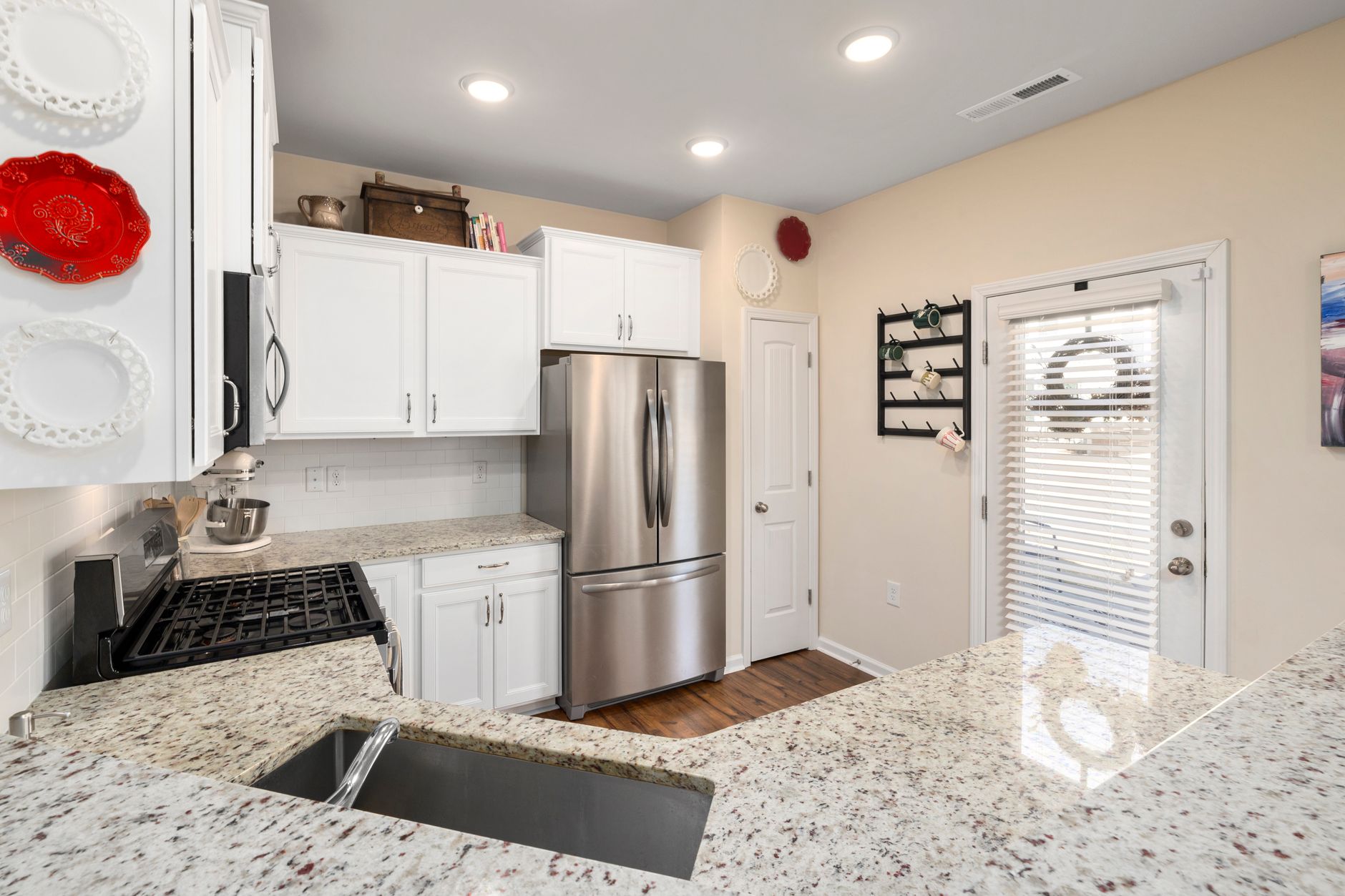
The Function of a Large Kitchen Island
A large kitchen island serves as more than just an extra workspace. It acts as a central hub for social interaction, a casual dining area, and a multifunctional zone for various household activities. When an island reaches a certain scale, it transforms from a simple prep station into a gathering spot that defines the flow of a home. This transition requires careful consideration of layout, seating arrangements, and material durability to ensure the space remains functional and comfortable for everyone.
Designing for Proper Seating
Seating is the primary element that turns a kitchen island into a social destination. To accommodate a group, the island must provide enough continuous edge space for stools or chairs. Proper planning involves more than just adding seats. You must consider the height of the surface and the comfort of the guests.
There are two main types of island surfaces that accommodate seating:
- Counter Height: This is the standard height for most kitchen work surfaces. It allows for stools that sit slightly lower than the surface, making it easy to lean in and talk to someone working at the island.
- Bar Height: This surface sits higher than a standard counter. It creates a distinct separation between the kitchen workspace and the seating area, which can be useful for keeping guests out of the main cooking path.
When choosing seating, keep the physical dimensions of the stools in mind. Each person needs enough lateral space to avoid bumping elbows with neighbors. A general guideline is to allow enough width so that guests do not feel crowded during a long conversation or meal. Additionally, ensure that the stools can be tucked partially under the island when not in use to maintain clear walkways.
Maintaining Essential Clearances
A large island can easily become an obstacle if the surrounding space is not managed correctly. For an island to function as a gathering spot, people must be able to move around it freely without colliding with those seated or those cooking. This requires maintaining specific clearances around all sides of the structure.
The distance between the edge of the island and the nearest cabinets, appliances, or walls is critical. You should aim for wide walkways to allow for two people to pass each other comfortably. If the island is located near a dishwasher or an oven, the clearance must be even larger. This ensures that doors can open fully without blocking the entire pathway or hitting someone sitting at the island.
Consider these specific areas for clearance checks:
- The Work Triangle: Ensure the island does not obstruct the path between the sink, the refrigerator, and the stove.
- Seating Zones: Leave enough room behind seated guests so that others can walk past them without forcing the guests to move their chairs.
- Appliance Access: Verify that drawers and cabinet doors on the island side can open fully while still leaving room for a person to stand in front of them.
Selecting Durable Surface Materials
Because a large island is a gathering spot, it will experience much higher traffic than other kitchen surfaces. It will host homework sessions, craft projects, snacks, and full meals. The material chosen for the countertop must be able to withstand frequent cleaning and potential impacts.
Natural Stone: Materials like granite or marble offer a classic look. While they are beautiful, they require regular sealing to prevent stains from liquids like juice or oil. Marble is particularly susceptible to etching from acidic foods, so it may require more careful handling in a high traffic social zone.
Engineered Stone: This option is often preferred for busy households because it is manufactured to be non porous. This makes it highly resistant to stains and much easier to maintain with standard cleaning products. It provides a consistent look across the entire surface of a large island.
Solid Surfaces and Quartz: These materials are known for their durability and resistance to scratches. They are ideal for families who use the island for various tasks beyond just food preparation. The ability to resist heat and stains makes these surfaces a practical choice for a central gathering area.
Wood and Butcher Block: Using wood for an island surface can add warmth to a kitchen. It provides a soft surface for food prep, but it requires regular oiling to prevent drying or cracking. Wood can also show scratches and knife marks more easily than stone, which some homeowners view as a natural character of the material.
Integrating Utility and Comfort
To maximize the utility of a large island, consider adding features that support social interaction. Built in power outlets are essential for guests using laptops or for people charging mobile devices while they sit. Integrated lighting, such as pendant lights hanging above the island, helps define the space and provides focused light for tasks or dining. By focusing on these practical details, you create a space that is both a functional kitchen component and a welcoming part of the home.