Home / Mixing Countertop Materials in a Hendersonville Kitchen
Mixing Countertop Materials in a Hendersonville Kitchen
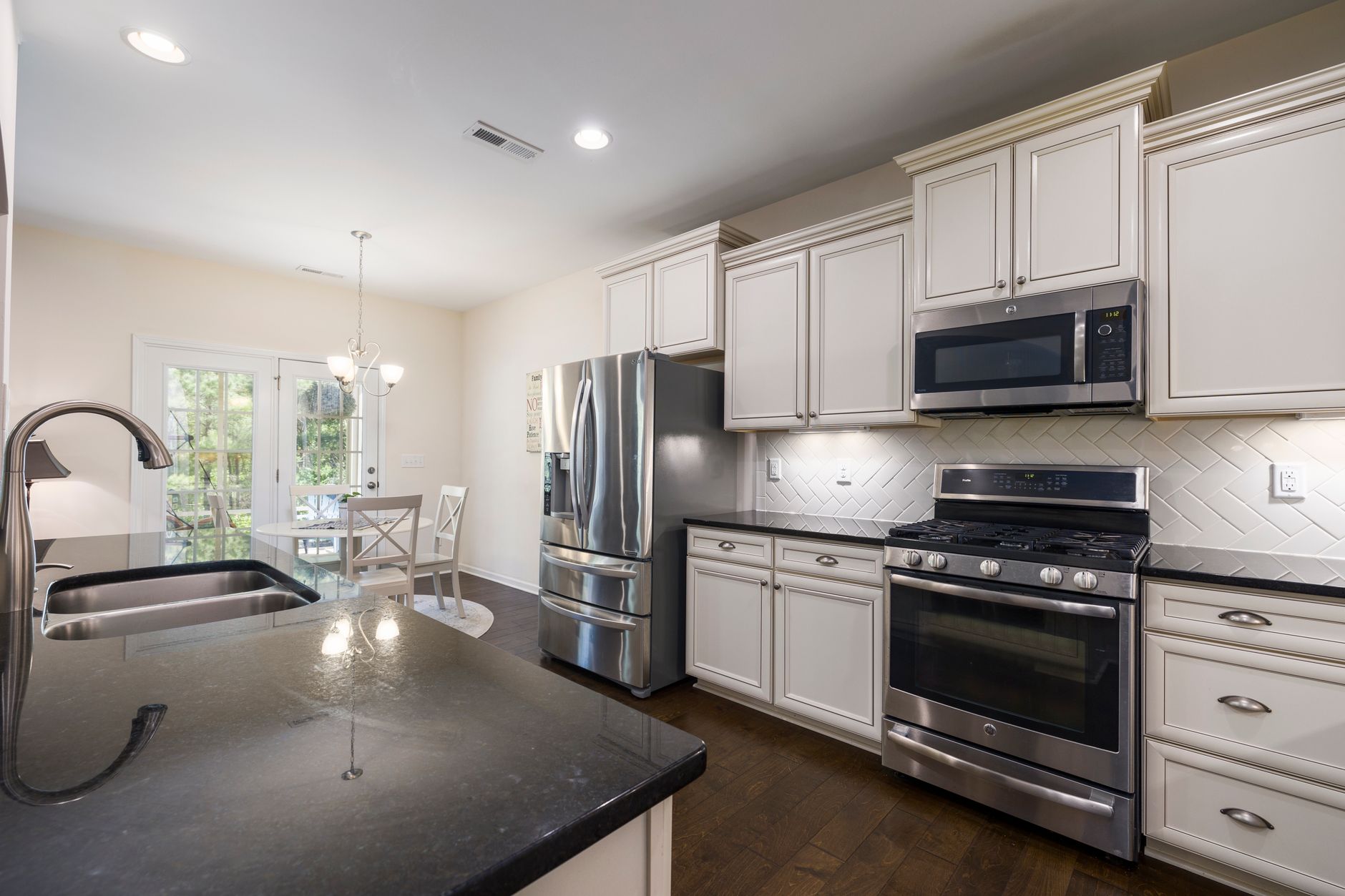
Exploring the Aesthetic of Mixed Countertop Materials
Kitchen design in Hendersonville often reflects the diverse architectural landscape of the region. From the historic charm of homes near the Main Street district to the sturdy craftsmanship of newer builds in the surrounding hills, homeowners seek ways to balance style with functionality. One popular design strategy involves mixing different countertop materials within a single kitchen. Instead of using one uniform surface throughout the entire space, you can use one material for the perimeter counters and a different, often more striking material for the central island. This approach adds visual depth and can define different zones within an open floor plan.
In Henderson County, where many homes lean toward farmhouse or craftsman aesthetics, mixing materials allows for a natural, layered look. A kitchen might feature durable stone along the walls to handle heavy daily tasks, while a wood surface on the island provides warmth and a communal feel. This method prevents the kitchen from looking too clinical or repetitive. By selecting materials that complement each other, you create a space that feels intentional and curated rather than mismatched.
Selecting the Perimeter Surface
The perimeter countertops are the workhorses of the kitchen. These surfaces surround the sink, stove, and primary prep areas. Because these zones experience frequent contact with water, heat, and sharp objects, the material choice should prioritize resilience. In a Hendersonville home, where the mild four season climate encourages year round indoor living and cooking, these surfaces must withstand constant use.
Stone remains a top choice for perimeter counters due to its longevity and heat resistance. Natural stone options offer unique patterns that can bring an organic feel to a kitchen. When you choose a stone perimeter, you establish a foundation of durability. This is particularly important in larger homes or those used frequently by retirees who may want a low maintenance surface that does not require constant upkeep. The perimeter serves as the anchor for the room, meaning the color and texture chosen here will influence all other design decisions.
Common characteristics of effective perimeter materials include:
- High resistance to staining from acidic foods like lemon juice or tomato sauce.
- The ability to withstand heat from hot pots and pans.
- A non porous structure that prevents moisture from seeping into the cabinetry below.
- A surface that is easy to wipe down after meal preparation.
The Island as a Design Statement
If the perimeter is the foundation, the kitchen island is the centerpiece. Because the island is often a focal point for social interaction, it is the perfect place to introduce a contrasting material. In many Hendersonville kitchens, the island serves as a breakfast bar, a homework station, or a buffet area for entertaining guests. Using a different material here breaks up the visual monotony and draws the eye to the center of the room.
A popular combination involves pairing a light or neutral stone perimeter with a dark or textured wood island. Wood brings an element of warmth that stone cannot replicate. This is especially effective in craftsman style homes where natural textures are a hallmark of the design. A wood island can act as a bridge between the kitchen and the living areas, making the transition feel more seamless and inviting.
When selecting an island material, consider the following:
- Visual Contrast: If the perimeter stone has heavy veining, a solid wood island can provide a calming balance. Conversely, a very plain stone surface can be elevated by a wood island with a prominent grain.
- Functionality: While wood is beautiful, it requires more care than stone. If the island is used primarily for serving or light tasks, wood is an excellent choice. If the island is the primary prep zone, you might choose a different stone that contrasts in color rather than material.
- Scale: In larger kitchens, a contrasting island helps define the boundaries of the workspace. In smaller kitchens, a subtle contrast prevents the space from feeling cluttered.
Matching Tones and Textures
The success of a mixed material design depends entirely on how the tones and textures interact. You do not want the materials to compete for attention. Instead, they should work in harmony to create a cohesive look. This is achieved through careful consideration of color temperature and pattern scale.
Color temperature refers to whether a color feels warm (reds, yellows, browns) or cool (blues, greens, greys). In a Hendersonville kitchen that emphasizes a rustic or farmhouse feel, warm tones are often preferred. If you choose a granite perimeter with warm tan or gold undertones, a wood island with amber or cherry tones will feel natural. If you prefer a modern look with cool grey stone, a dark walnut island can provide a sophisticated contrast without clashing.
Texture is another critical element. A highly polished, glossy stone perimeter creates a sleek, reflective surface. Pairing this with a matte, textured wood island creates a tactile variety that makes the room feel more dimensional. If both surfaces are extremely busy, such as a heavily patterned stone and a highly figured wood, the kitchen may feel overwhelming. Aim for one dominant pattern and one supporting texture.
Practical Considerations for Different Home Styles
The style of the home in Henderson County can guide your material choices. Different architectural styles lend themselves to different combinations.
Farmhouse Style: These homes often feature open layouts and a connection to the surrounding landscape. A farmhouse kitchen might utilize a white or cream stone perimeter to keep the space bright. A thick, reclaimed wood island adds the necessary rustic character. This combination reflects the agricultural heritage of the apple country region and feels grounded and comfortable.
Craftsman Style: Craftsman homes emphasize natural materials and honest construction. You might see a combination of earthy, dark stone counters paired with rich, stained hardwoods. The goal here is to highlight the inherent beauty of the materials themselves. The focus is on quality and the way light hits the different surfaces.
Modern and Transitional: For homes that lean toward a more contemporary aesthetic, the mix might be more subtle. You might use two different types of stone rather than stone and wood. For example, a matte finish stone on the perimeter and a polished finish stone on the island. This provides variety through texture rather than a complete change in material, maintaining a streamlined and sophisticated appearance.
Maintenance and Longevity
When mixing materials, you must also account for the varying maintenance requirements. A kitchen with multiple surfaces requires a diverse cleaning routine. Stone surfaces often require periodic sealing to prevent staining, especially if they are used for heavy cooking. Wood surfaces require different care, such as regular oiling or specialized cleaners to prevent drying or cracking.
It is important to plan for how these materials will age. In a climate like Hendersonville, where humidity can fluctuate with the seasons, wood is particularly sensitive to moisture and temperature changes. Ensuring that the island is properly sealed and protected from direct water contact is essential for long term durability. Stone is generally more forgiving, but it is still wise to use trivets and cutting boards to protect the finish from scratches and thermal shock.
Consider the following maintenance tips for a mixed kitchen:
- Keep a variety of cleaning supplies on hand that are safe for both stone and wood.
- Use coasters and mats on wood surfaces to prevent water rings.
- Avoid using harsh chemicals on natural stone, as they can etch the surface.
- Regularly inspect the seams where different materials meet to ensure stability.
By thinking about both the aesthetic and the practical aspects of material selection, you can create a kitchen that is both beautiful and highly functional. Mixing stone and wood allows for a personalized expression of style that honors the unique character of Hendersonville homes, providing a space that is perfect for both quiet morning coffee and lively family gatherings.